Mold is sneaky. It grows behind walls, under floors, and inside air ducts long before most homeowners notice it. And in Reno and Northern Nevada, seasonal moisture and aging homes make mold growth a real and common risk.
Catching it early saves you money, protects your health, and makes remediation far simpler. Here are 10 warning signs to watch for.
1. A Persistent Musty or Earthy Smell
That Lingering Odor Could Be a Sign of Hidden Mold
If a musty smell keeps coming back no matter how much you clean, mold is likely growing somewhere out of sight. The odor is strongest in basements, crawl spaces, closets, and near HVAC vents.
What to do: Do not mask it with air fresheners. Have a professional inspect your home to find the source.
2. Visible Discoloration or Fuzzy Growth
How to Tell If That Spot Is Mold
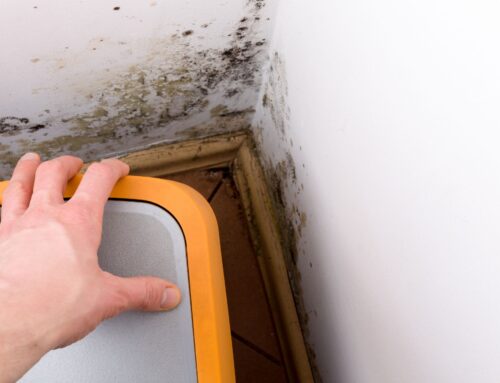
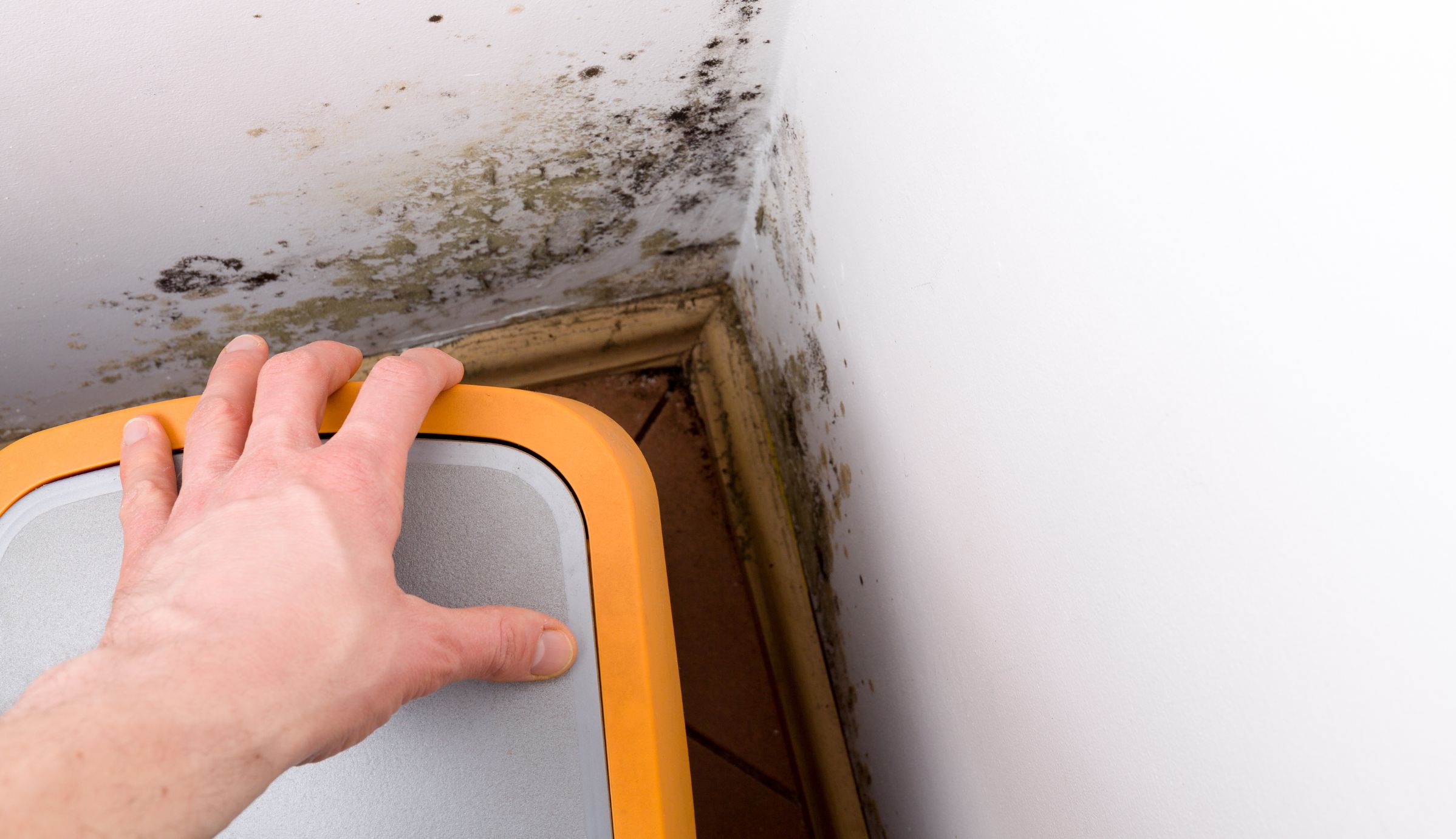
Mold can appear black, green, white, gray, or orange. It may look fuzzy, powdery, or slimy. If a discolored patch is growing, irregularly shaped, or located in a damp area, treat it as mold until a professional says otherwise.
What to do: Do not scrub it with household cleaners. Surface cleaning does not remove mold roots from porous materials like drywall or wood.
3. Recent Water Damage, a Leak, or Flooding
Water Damage & Mold Growth Go Hand in Hand
Mold can begin growing within 24 to 48 hours of water exposure. If your home has had a burst pipe, roof leak, appliance overflow, or flooding, and the area was not professionally dried and treated, mold growth is likely.
What to do: Schedule a professional mold inspection even if you see and smell nothing. Hidden mold inside walls and under floors is extremely common after water intrusion.
4. Allergy or Asthma Symptoms That Improve When You Leave Home
Mold Exposure Symptoms: When Your Home Is Making You Sick
Watch for this pattern: symptoms like sneezing, coughing, watery eyes, or wheezing that get better when you leave and return when you come back inside. According to the CDC, mold exposure can trigger respiratory symptoms in otherwise healthy people and more severe reactions in those with asthma or mold allergies.
What to do: Track when and where symptoms occur. If they follow a pattern tied to time spent at home, contact a mold remediation specialist.
5. Peeling, Bubbling, or Warping Paint & Wallpaper
Bubbling Paint on Your Walls Could Signal Mold Behind the Surface
Paint that blisters or peels and wallpaper that lifts at the edges both point to trapped moisture behind the surface. That moisture is exactly what mold needs to grow.
What to do: Do not just repaint. Find the moisture source first, then have the area tested for mold before making any repairs.
6. Dark Streaks or Staining Around Air Vents
Mold in Air Ducts Is a Whole-Home Problem
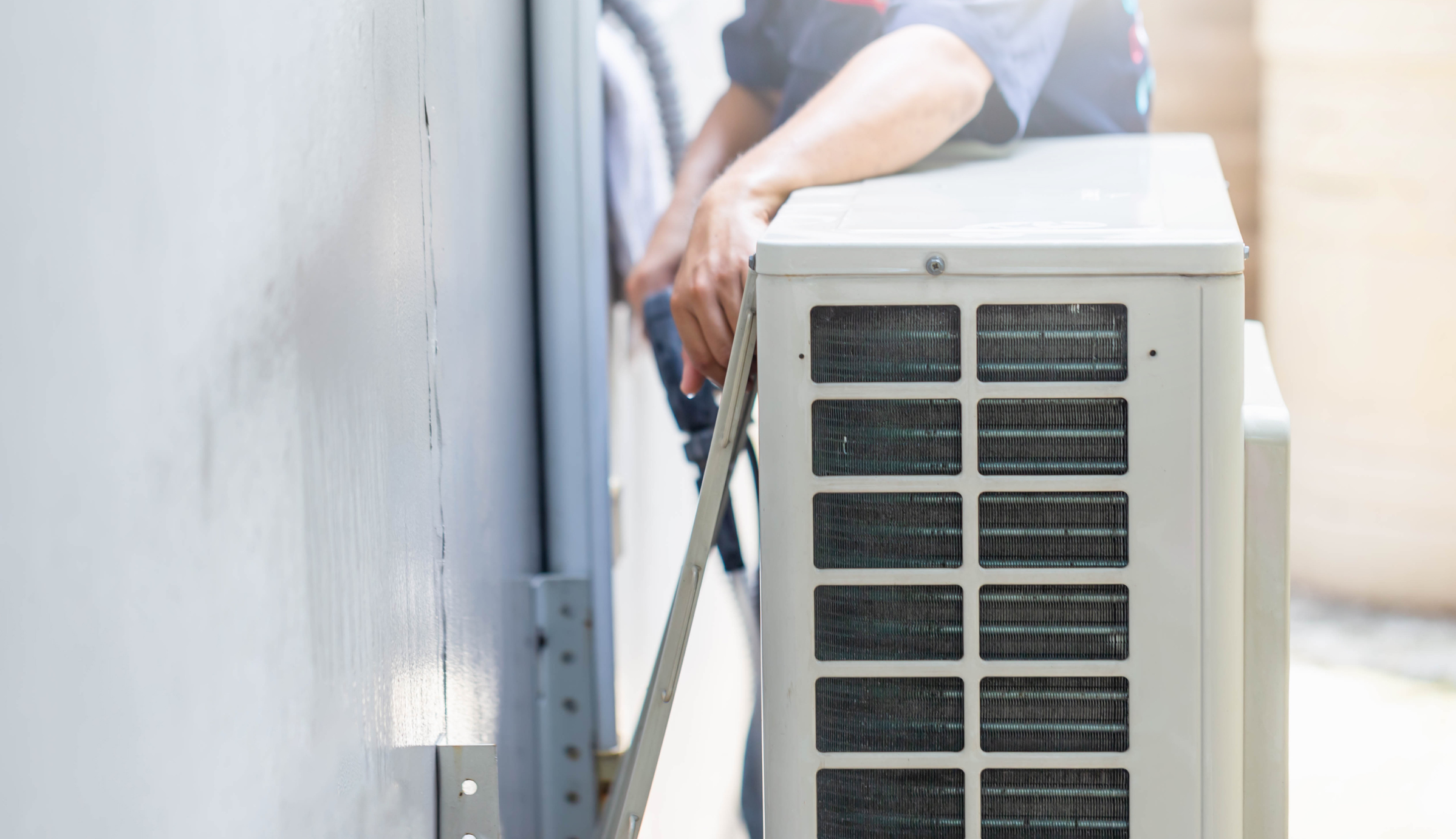
Dark staining or fuzzy growth near vents or your HVAC unit means mold has likely entered your duct system. Every time the system runs, it distributes spores throughout your entire home.
What to do: Turn off your HVAC system and call a professional immediately. Running the system while mold is present makes the problem significantly worse.
7. Black or Green Staining on Grout & Caulking
Bathroom Mold Removal: More Than a Cosmetic Issue
Staining along tile grout lines, tub caulking, or around fixtures is common but often underestimated. What looks like surface staining can mean mold has penetrated the grout, tile backing, or drywall behind the wall.
What to do: If the staining returns quickly after cleaning, there is likely deeper mold growth that needs professional assessment.
8. Dark Spots or Staining on Your Ceiling
What Ceiling Mold Stains Tell You About Your Home
Ceiling spots usually mean moisture is coming from above, whether from a roof leak, an upstairs plumbing issue, or attic condensation. In Northern Nevada, attic mold is especially common in homes where bathroom exhaust fans vent into the attic rather than outside.
What to do: Do not paint over ceiling stains. Have the area inspected for both water intrusion and mold before making any repairs.
9. Excess Condensation on Windows or Walls
High Indoor Humidity Creates the Perfect Conditions for Mold
Condensation forming on windows, walls, or pipes means your indoor humidity is too high. The EPA recommends keeping indoor humidity below 50% to prevent mold growth. In Reno, this is a common issue during cold winter months and in homes with aging HVAC systems.
What to do: Use a hygrometer to monitor humidity. If levels are consistently above 50%, run a dehumidifier and have your home inspected for existing mold.
10. A History of Mold or Water Issues in the Home
Mold Comes Back When the Root Cause Is Not Fixed
If your home has had mold before, or if previous owners disclosed water damage, there is a real chance the remediation was incomplete. Mold regrows in porous materials like drywall and wood framing if the moisture source was never properly addressed.
What to do: Schedule a professional inspection before assuming the old problem is gone. A certified inspector can confirm whether previous remediation was thorough.
What To Do When You Spot These Warning Signs
Steps to Take If You Suspect Mold in Your Home
- Do not disturb visible mold. Scrubbing or spraying it can release spores and spread the problem to other areas.
- Document what you find. Take photos, note where smells are strongest, and track any health symptoms that occur at home.
- Fix moisture sources right away. Mold cannot be fully eliminated without addressing what is feeding it.
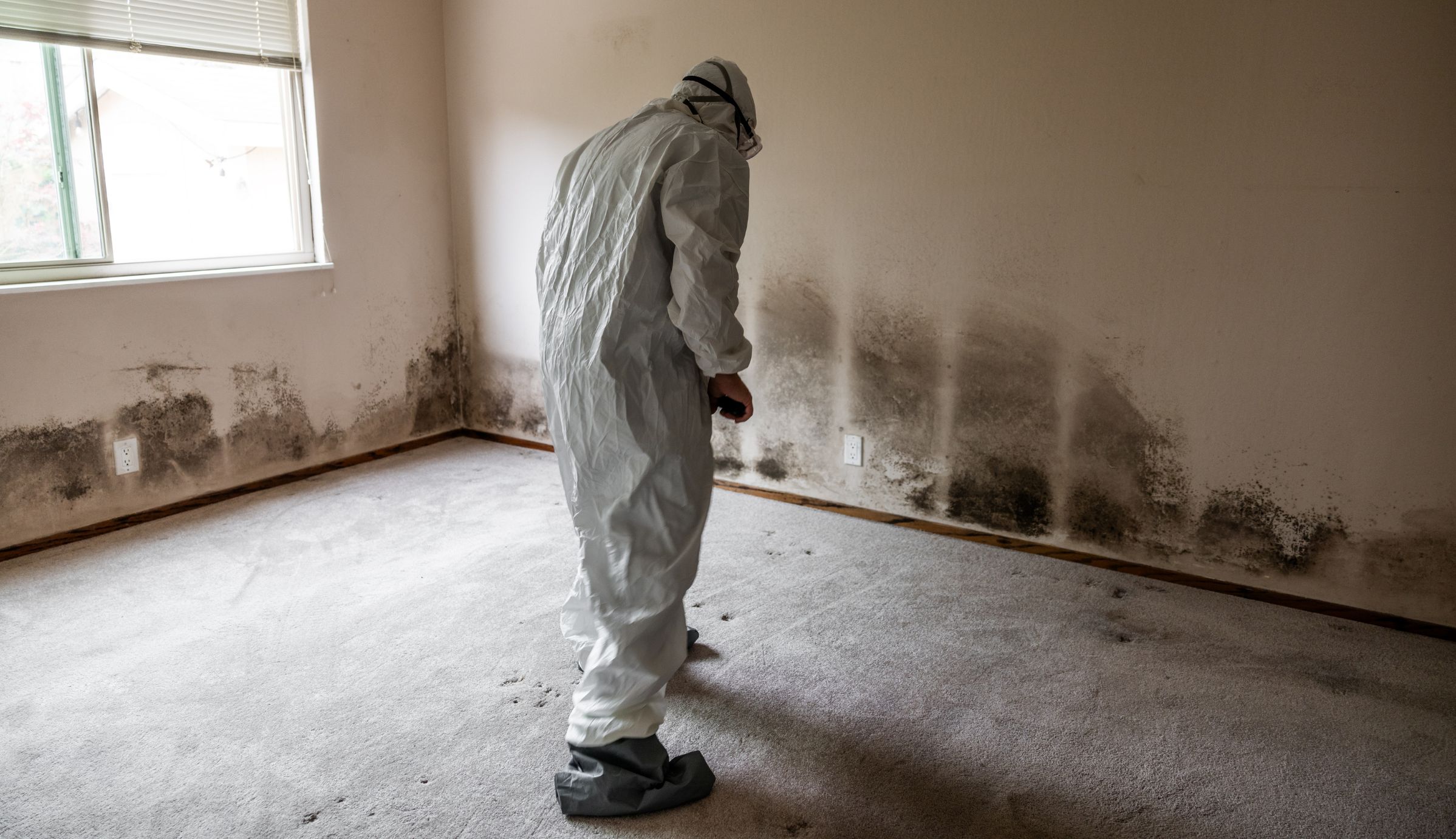
- Call a certified mold remediation professional. It is always best to have a trained professional handle mold issues to ensure the problem is properly identified, safely removed, and prevented from returning.
Why Reno Homeowners Choose Rome Environmental for Mold Remediation
Certified Mold Removal Serving Northern Nevada & California
Rome Environmental doesn’t just clean up the surface; we find the source, contain the problem, remove contaminated materials, and confirm the air is safe before we consider the job done. Here is what sets us apart:
- Certified technicians following strict EPA guidelines for mold containment and removal
- Full-service remediation, including air quality monitoring and post-remediation clearance testing
- Local expertise in Northern Nevada and California homes, building materials, and environmental conditions
- Fast response times because mold spreads quickly, and waiting makes it worse
- Transparent, compassionate service with clear communication from inspection to completion
Have Mold in Your Northern Nevada or California Home? Call Rome Environmental Today
Mold does not get better on its own. The longer it grows, the more damage it causes and the more costly the fix becomes.
Contact Rome Environmental today for a free consultation.