Winter in Reno brings cold nights, dry air outdoors, and tightly sealed homes, and while many people think mold is only a warm-weather problem, winter can actually make indoor mold issues much worse.
If you’ve noticed musty odors, condensation on windows, or allergy-like symptoms that mysteriously improve when you leave home, winter moisture and temperature changes may be contributing to hidden mold growth.
Here’s what homeowners in Reno, Sparks, and surrounding areas need to know.
Why Mold Gets Worse in Winter
Mold needs moisture, warmth, and limited airflow to grow. Winter creates the perfect conditions inside many homes.
1. Condensation Builds Up on Cold Surfaces
When warm indoor air hits cold:
- windows
- exterior walls
- ceilings
- corners
- crawlspaces
condensation forms.
This moisture is one of the most common winter mold triggers in Northern Nevada.
2. Homes Are Closed Up for the Season
In winter, we seal our homes to keep heat in, which means:
- less ventilation
- higher indoor humidity
- stale air
- more trapped moisture
All of this allows mold spores to grow and spread faster.
3. Humidifiers Can Raise Moisture Too Much
Nevada’s dry climate leads many homeowners to run humidifiers in winter.
But when humidity rises above 50%, mold grows easily in:
- bedrooms
- nurseries
- window frames
- crawl spaces
- behind furniture
- inside walls
4. Winter Roof Leaks Are Often Hidden
Snowmelt and winter storms can cause roof or attic leaks.
Because homeowners spend less time outside, these leaks often go unnoticed until mold appears.
Common Places Mold Grows in Winter
In Reno homes, mold commonly appears in:
- Window sills
- Bathroom ceilings
- Attics
- Crawl spaces
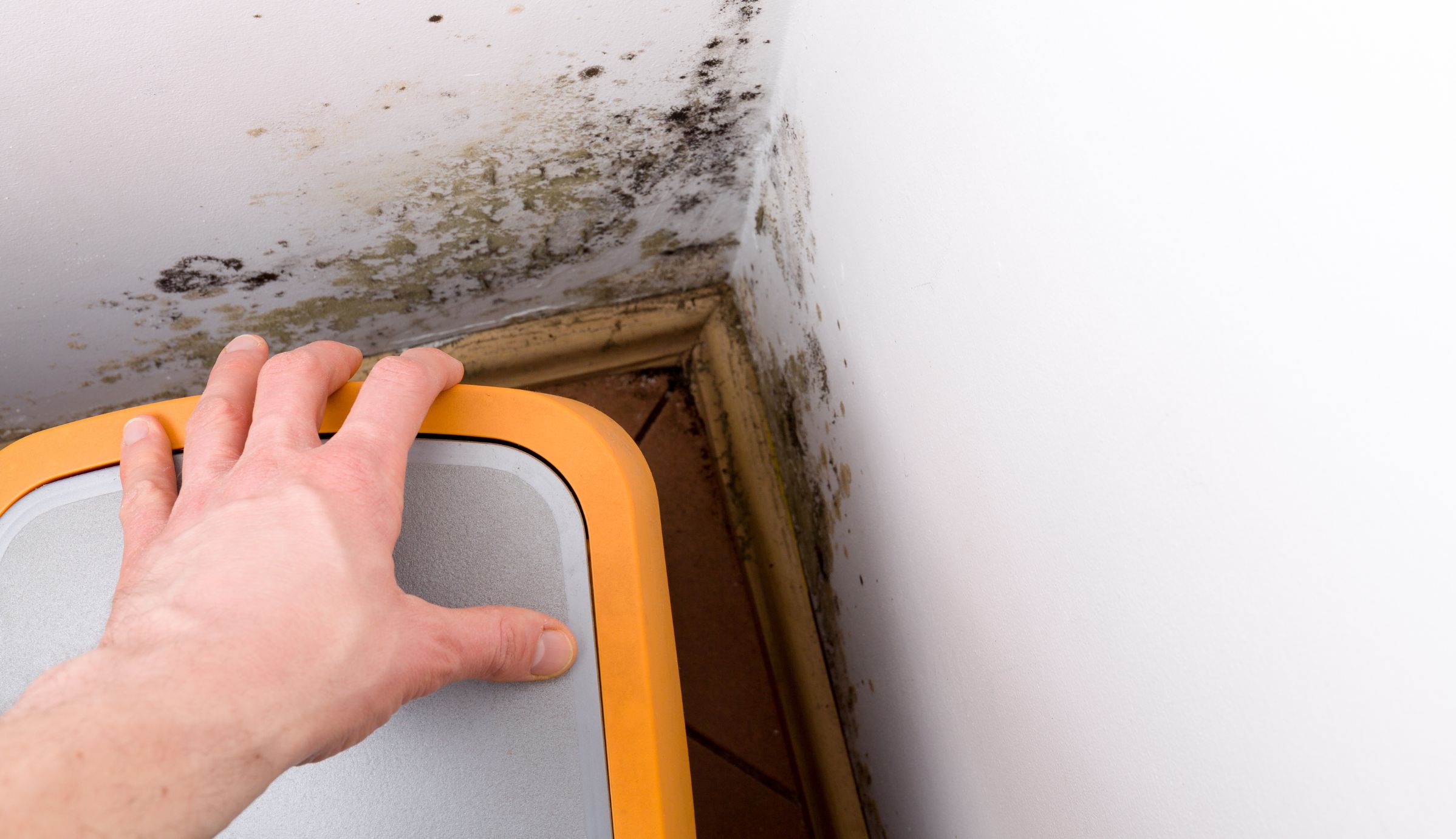
- Behind baseboards
- In carpets near exterior walls
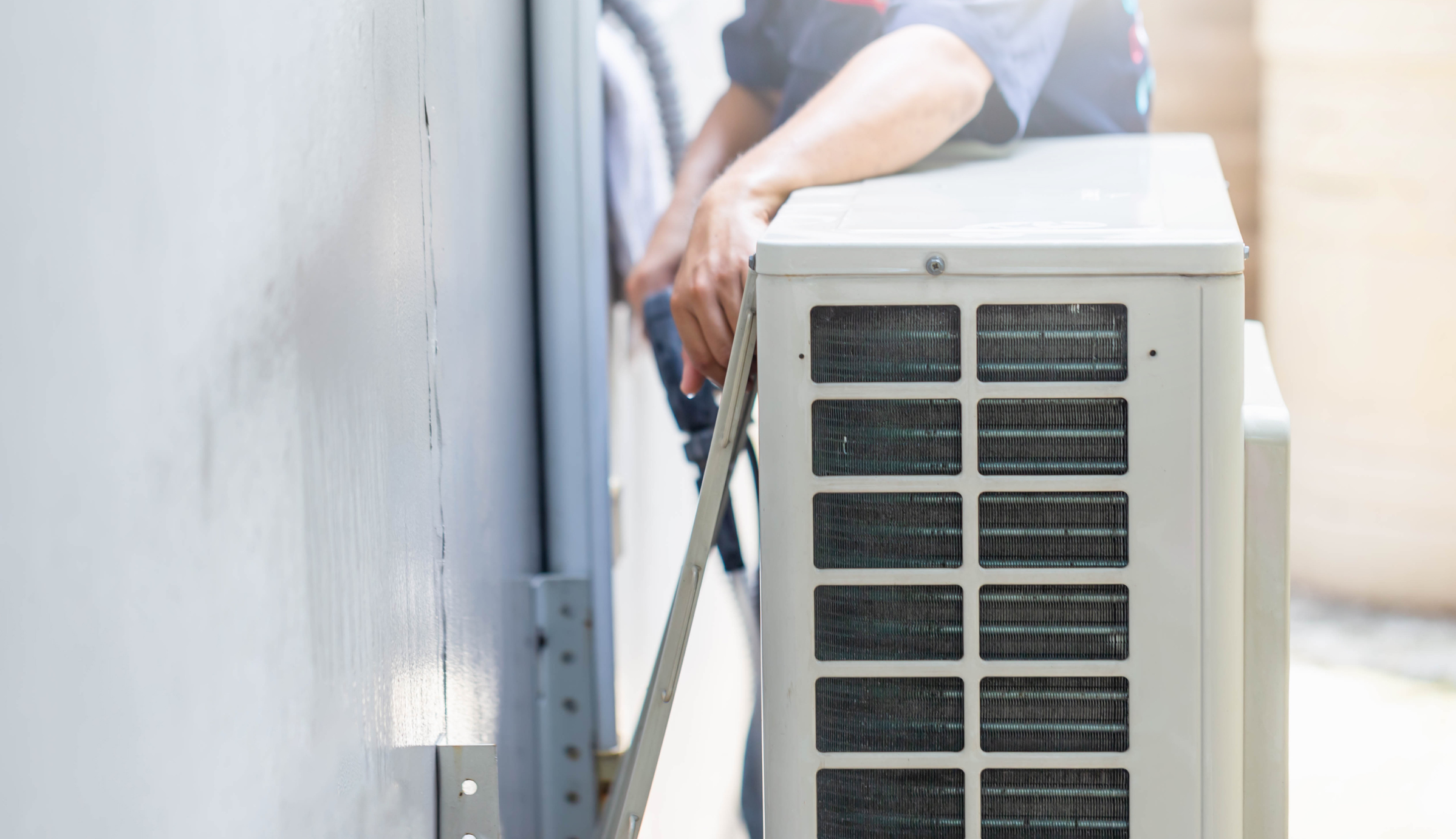
- HVAC closets
- Around water heaters
- Behind kitchen cabinets
Anywhere moisture sits is vulnerable.
Signs Winter Moisture Is Causing Mold
- Musty or “wet” smells
- Foggy or wet windows
- Dark spots or discoloration on walls & ceilings
- Allergy symptoms that worsen indoors
- Peeling paint or bubbling drywall
- Cold, damp rooms
- Visible mold growth
If you notice any of these signs, winter conditions may be making an existing problem worse.
How to Reduce Winter Mold Risk
1. Control Indoor Humidity
Keep humidity between 30–50% to prevent mold growth.
2. Improve Ventilation
Use bathroom exhaust fans, crack windows occasionally, and avoid blocking vents.
3. Address Condensation
Wipe moisture off windows and cold surfaces daily if needed.
4. Check for Roof or Attic Leaks
Winter storms can create moisture pockets that quickly lead to mold.
5. Schedule a Professional Mold Inspection
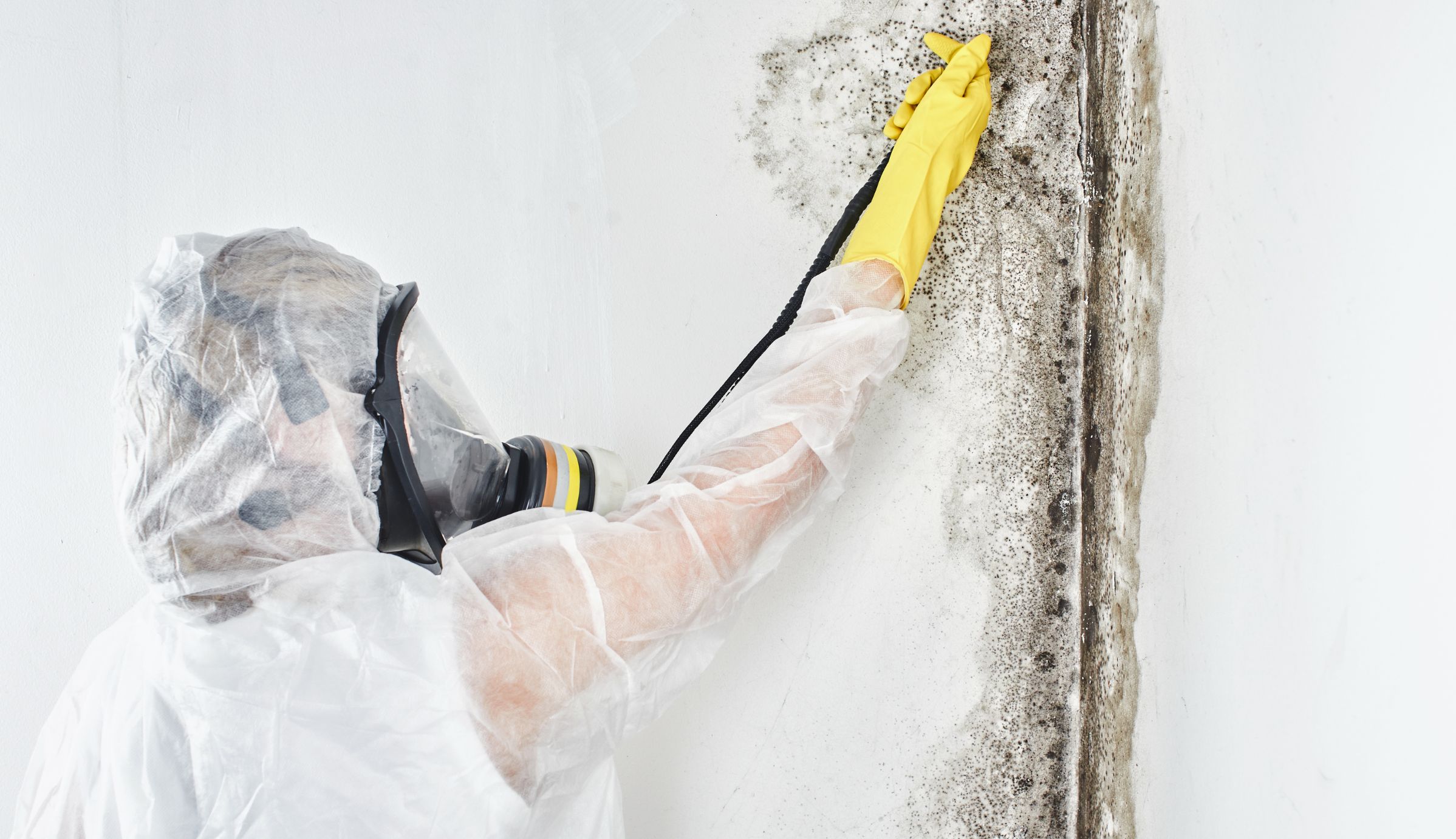
If you’re unsure where moisture is coming from or if mold may already be present, a professional can help identify the source and recommend safe remediation steps.
Professional Mold Inspection & Remediation in Reno, NV With Rome Environmental
Winter can make mold problems worse, more noticeable, and harder to control. If you suspect mold in your Reno-area home, Rome Environmental is here to help with professional inspections, testing, and safe remediation.
Concerned about winter mold? Contact Rome Environmental today for expert guidance and a thorough mold evaluation.