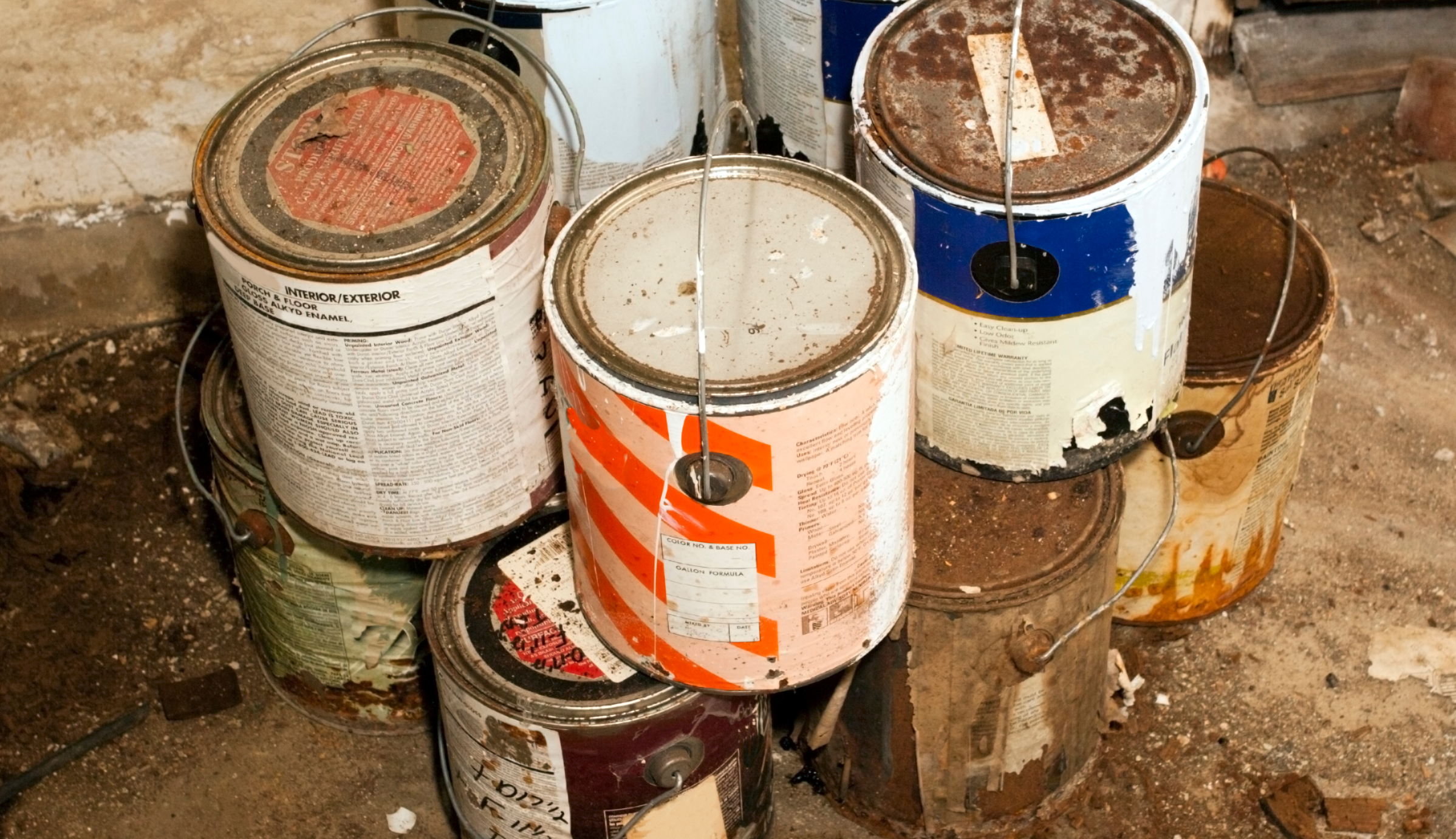
If your home was built before 1978, there’s a good chance lead paint is somewhere on the walls, trim, or windows. For decades, lead-based paint was a common building material before the federal government banned it for residential use. The tricky part is that lead paint isn’t always obvious, and when it starts to deteriorate, it becomes a serious health hazard. Here’s what to look for and what to do if you find it.
Why Lead Paint Is Still a Problem in Older Reno Homes
Lead paint that is intact and in good condition is generally considered low risk. The danger comes when it begins to chip, peel, crack, or turn to dust, which can happen naturally over time or during home renovations. Once disturbed, lead particles can be inhaled or ingested, posing serious health risks, especially for young children and pregnant women.
Signs Your Reno Home May Have Lead Paint
Your Home Was Built Before 1978
This is the single biggest indicator. Homes built before 1978 are far more likely to contain lead-based paint, and the older the home, the higher the concentration is likely to be.
Chipping, Peeling, or Chalking Paint
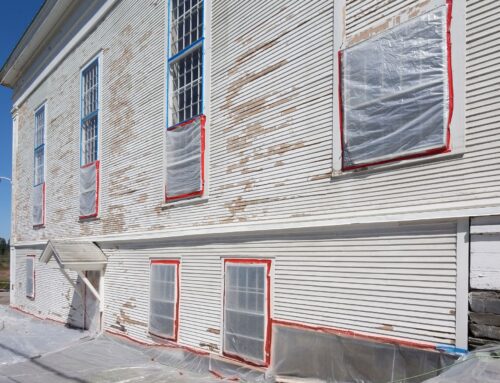
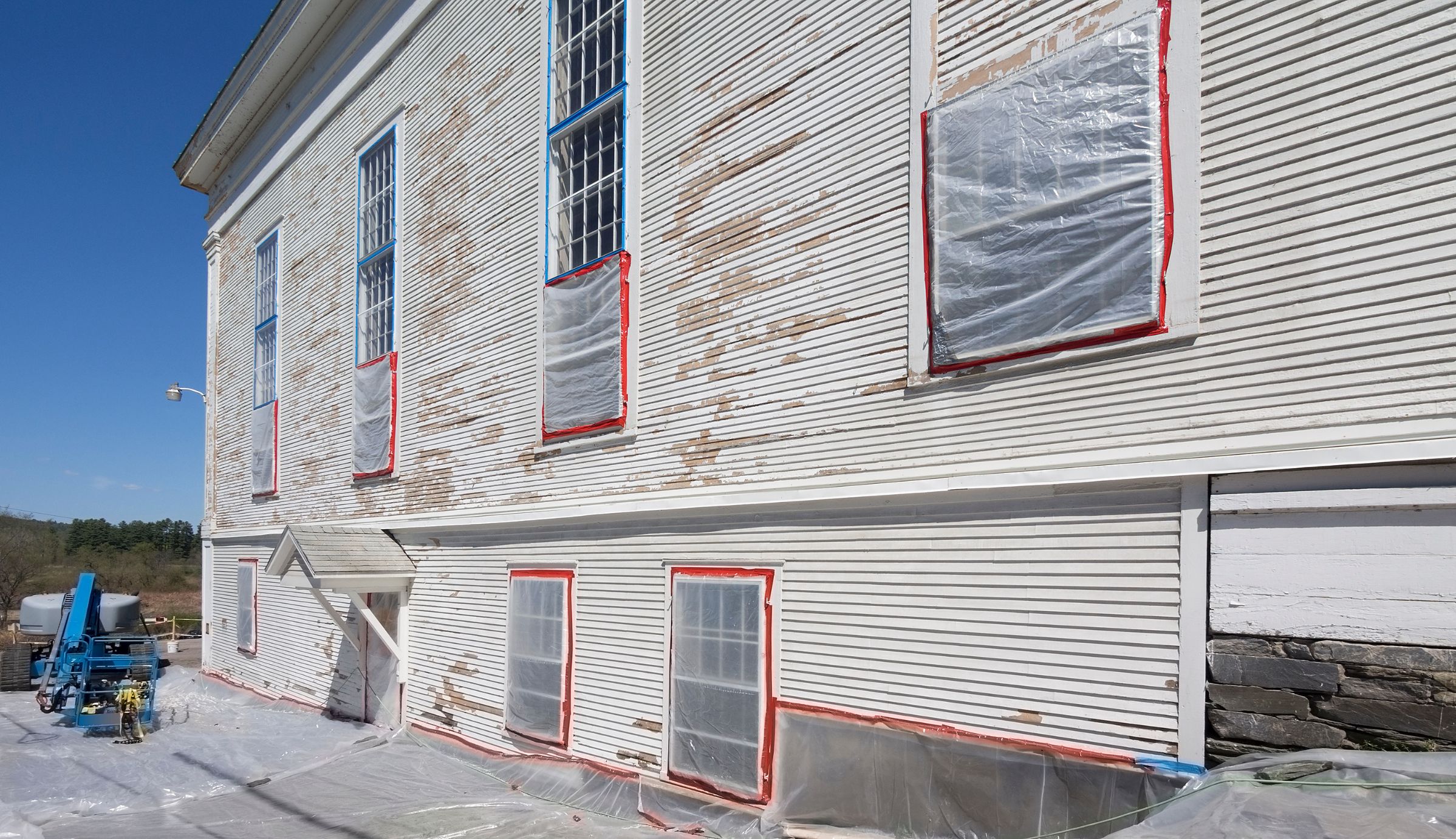
Deteriorating paint on walls, windowsills, door frames, and baseboards is one of the most common warning signs. If you notice paint that is bubbling, flaking, or chalking, it should be tested before you attempt to clean or remove it.
Layered Paint on Older Surfaces
In many older homes, new layers of paint were applied directly over old lead-based paint. When those surfaces are sanded or scraped during renovations, the lead underneath gets disturbed and released into the air.
A Previous Positive Test or Disclosure
If your home has changed hands, sellers are legally required to disclose known lead paint hazards. Check your home’s paperwork or disclosure documents if you’re unsure of its history.
How to Test for Lead Paint
The only way to get accurate results is through professional testing conducted by a certified inspector. DIY test kits are available at hardware stores, but they are not always reliable and can give false negatives, meaning you may think you’re safe when you’re not. If you suspect lead paint in your home, especially if you’re planning a renovation or have young children, skip the guesswork and call a certified professional.
What to Do If You Find Lead Paint in Your Home
Don’t Disturb It Yourself
Sanding, scraping, or demolishing surfaces with lead paint releases particles into the air that are hazardous to breathe. This is not a DIY project. Attempting to remove lead paint without the proper equipment and training can make the situation significantly worse.
Call a Certified Lead Abatement Professional
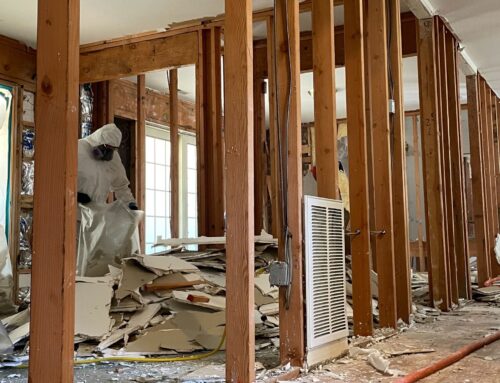
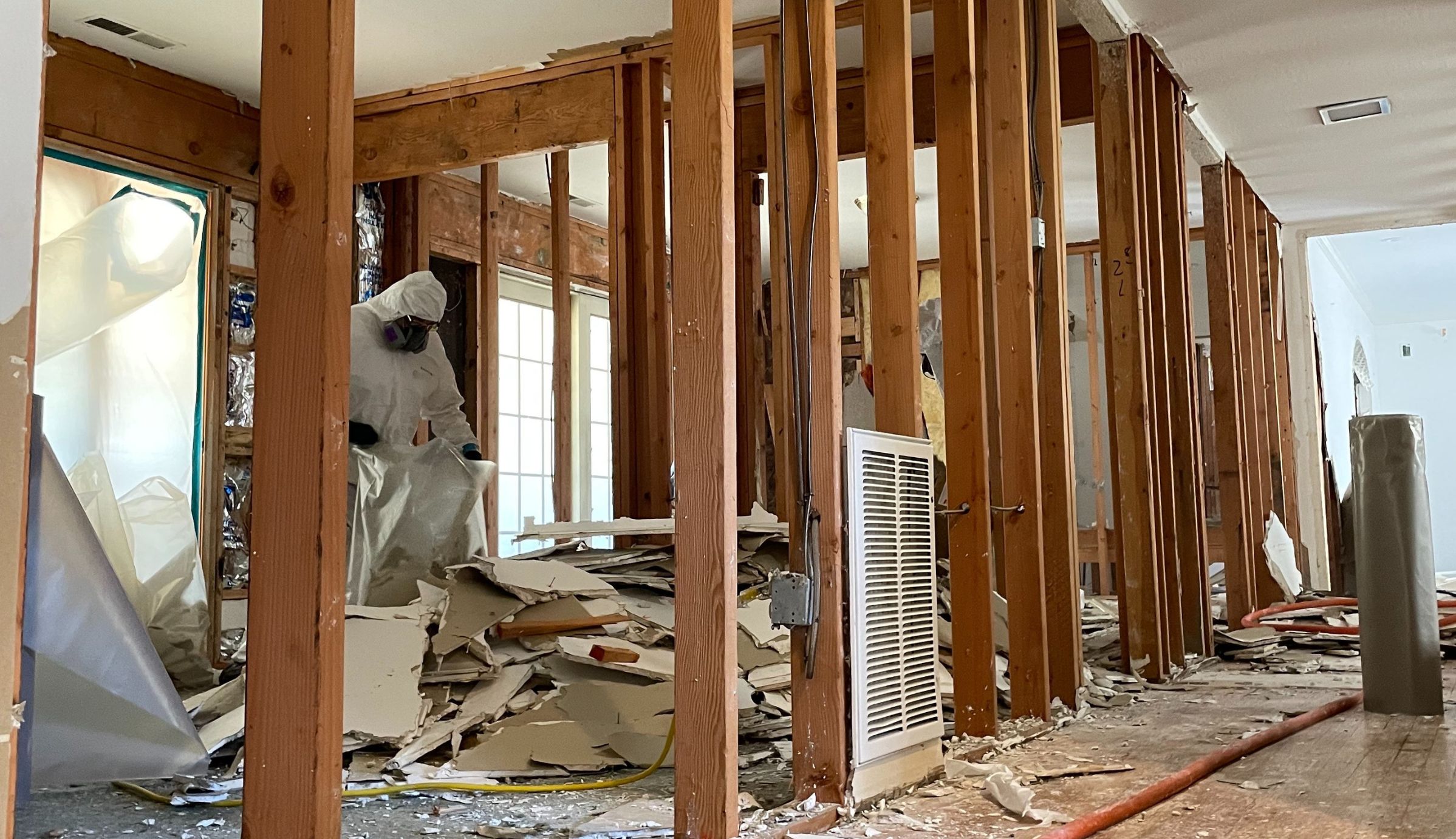
Lead abatement involves the safe containment, removal, and disposal of lead-based materials following strict EPA and state guidelines. A certified professional has the training, equipment, and protocols to handle the job without putting your household at risk.
Keep the Area Undisturbed Until Help Arrives
If you’ve identified or suspect lead paint in a deteriorating area, keep children and pets away from the space and avoid any activities that could disturb the surface until a professional can assess it.
Why Northern Nevada Homeowners Trust Rome Environmental for Lead Abatement
Lead paint removal is not something to cut corners on. Rome Environmental is a certified environmental hazard remediation company serving Reno, Sparks, Carson City, and communities throughout Northern Nevada and California. Their team follows strict EPA guidelines and brings the expertise needed to handle lead abatement safely, thoroughly, and with as little disruption to your home as possible.
Contact Rome Environmental in Reno, NV for Lead Paint Testing & Removal
If you suspect your home has lead paint, don’t wait. Rome Environmental offers free consultations and is ready to help you take the next step toward a safer home. Visit romeenvironmental.com to get started.