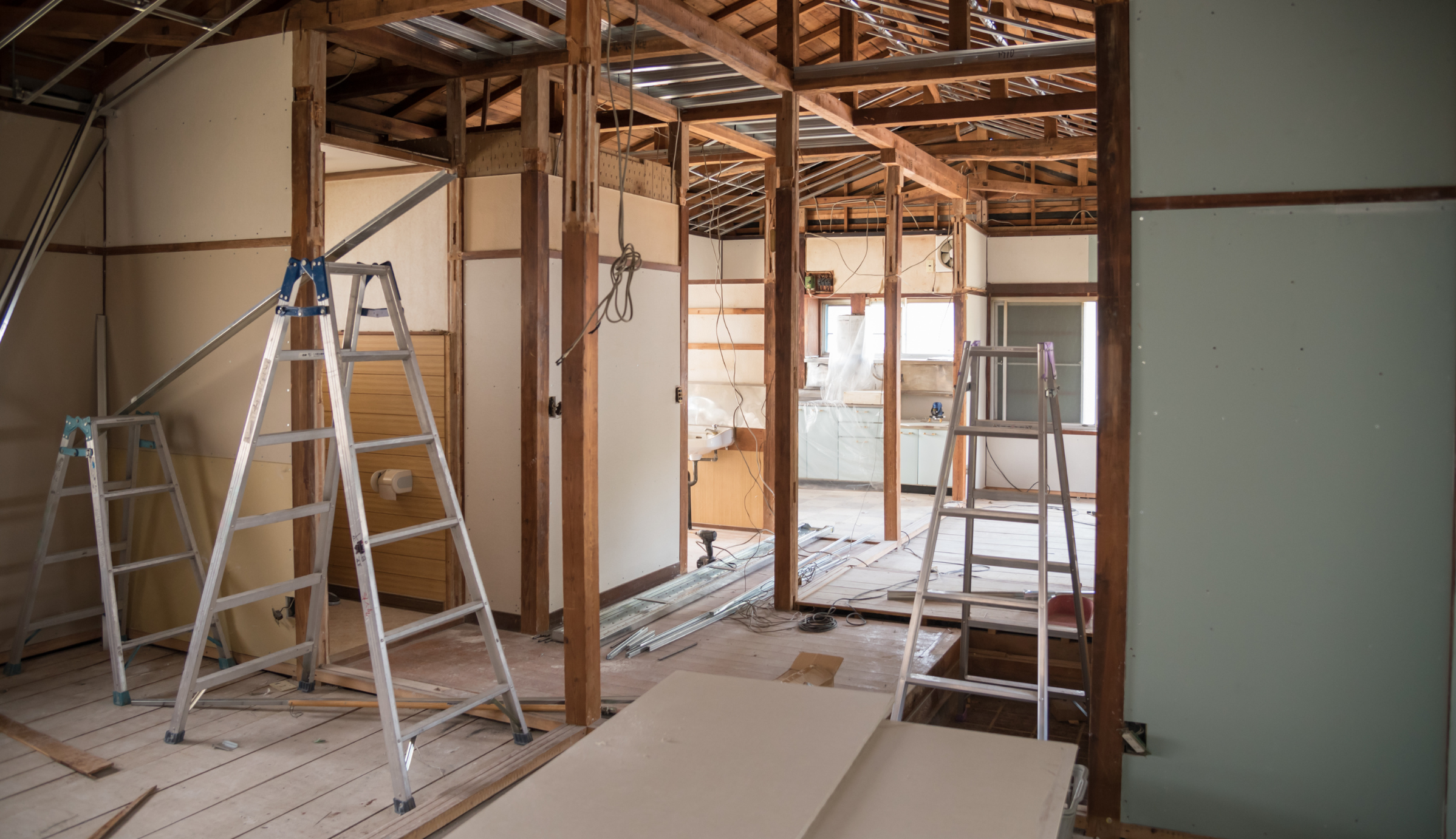
Fall is a popular time to start indoor projects in Northern Nevada. The summer heat is gone, contractors often have more openings, and plenty of homeowners want a new kitchen or bathroom done before the holidays.
If your house was built before 1980, testing for asbestos, lead paint, and mold should come before the first wall comes down. These materials usually cause little trouble while they sit undisturbed, but sanding, cutting, and demolition can release fibers, dust, and spores into the air your family breathes.
Why Older Homes Need Testing Before a Remodel
Many materials common from the 1950s through the 1970s are now known to cause health problems when disturbed, and you can’t tell by looking whether a ceiling texture or a layer of paint is safe. Testing gives you and your contractor a clear picture before work starts. It also protects your budget, since stopping a project halfway to deal with a surprise costs far more than planning for it.
Asbestos Testing Before a Remodel
Asbestos was used in hundreds of building products because it resisted heat and fire. Homes built before 1980 are the most likely to contain it. Common places include:
- Popcorn and textured ceilings
- Vinyl floor tiles and the adhesive underneath
- Pipe and duct insulation
- Drywall joint compound
- Siding and roofing shingles
A trained inspector collects small samples from the materials your project will disturb and sends them to an accredited lab. If a sample comes back positive, asbestos abatement removes or seals the material before your contractor begins.
Lead Paint Testing in Older Homes
Lead paint was banned for residential use in 1978, so any home built before then may still have it under newer coats. Intact paint is low risk. The danger comes from dust created when it’s sanded, scraped or cut, and that dust is especially harmful to young children. Window frames, doors, stair railings and exterior trim are the most common spots.
EPA rules require contractors who disturb paint in pre 1978 homes to be certified and follow lead safe practices. A test tells you whether those rules apply, and lead abatement can remove or encapsulate the paint so the project can move forward.
Mold Testing Before Renovation
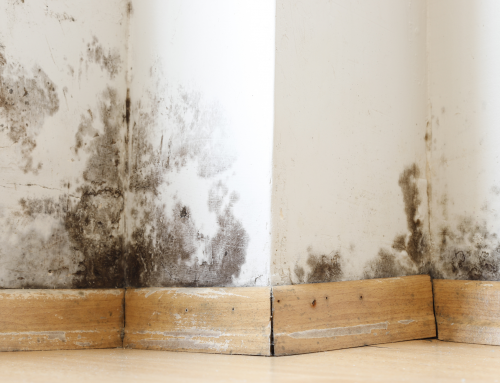
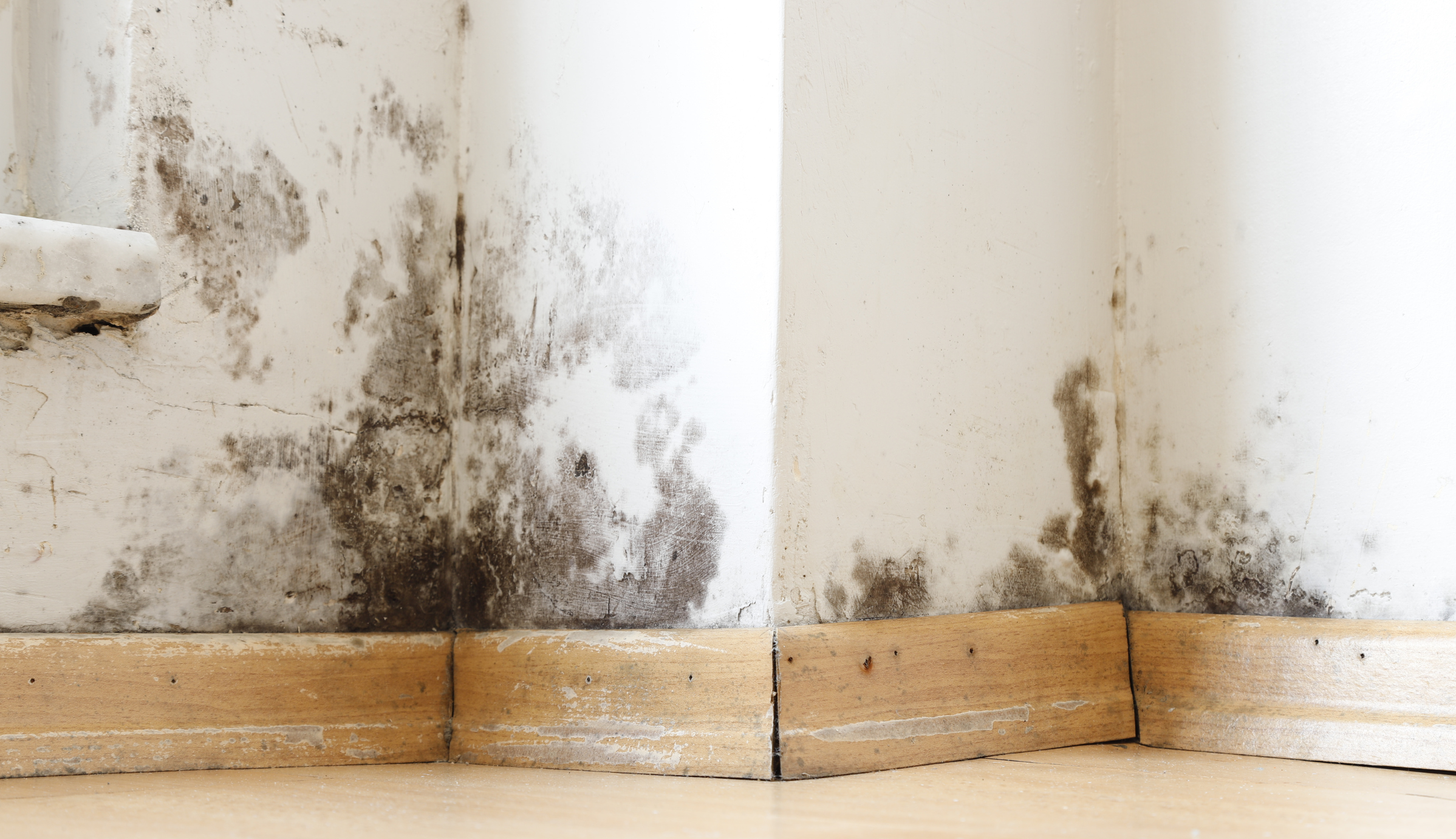
Mold has more to do with a home’s moisture history than its age. An old plumbing leak or a poorly vented bathroom can leave mold growing behind drywall and under flooring for years. A musty smell, water stains, warped flooring or a history of leaks in the room you plan to remodel are all good reasons to test.
Opening a wall with active mold can spread spores through the house, especially with the heat running. Testing first lets a mold remediation team set up containment and remove the growth before work starts.
When to Schedule Testing for Your Home Remodel
Test before you sign a final contract, since results can change the scope, timeline and cost of a project. Plan for a couple of weeks before your start date to allow for lab results and any abatement. If work has already started and you think something was disturbed, stop and keep people out of the area until it can be checked.
Why Choose Rome Environmental for Asbestos, Lead & Mold Removal
Rome Environmental handles asbestos, lead and mold under one roof, so you don’t have to coordinate separate companies before a remodel. The team knows the housing stock across Northern Nevada, from older neighborhoods in Reno and Sparks to cabins around Lake Tahoe, and explains findings in plain terms so you know exactly what to tell your contractor.
Plan a Safe Remodel With Rome Environmental in Reno, NV
Rome Environmental serves Reno, Sparks, Carson City, Lake Tahoe, Truckee and communities across Northern Nevada and California. Request a free quote to schedule testing before your next remodel.