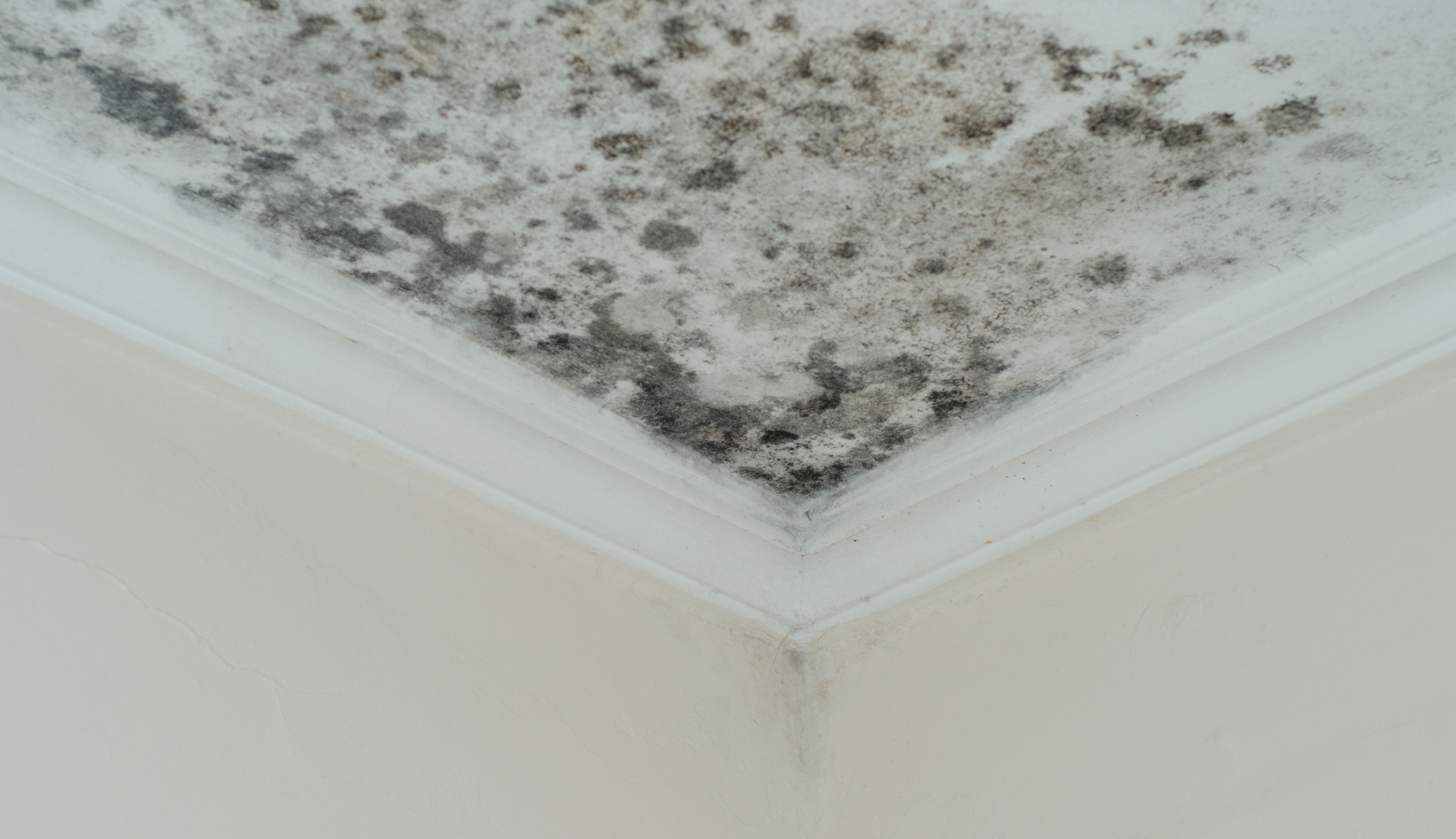
If you’ve spotted mold in your home, your first question is probably whether it’s the dangerous kind. “Black mold” has become a term that strikes fear in most homeowners, but the reality is more nuanced than color alone. Here’s what you actually need to know.
What Is Mold?
Mold is a fungus that grows in damp, poorly ventilated environments. It reproduces by releasing spores into the air, which can settle and grow on almost any surface where moisture is present. Bathrooms, basements, attics, and areas with water damage are the most common spots.
There are thousands of mold species, and they come in a wide range of colors, including green, white, gray, brown, and black.
What Is Black Mold?
Black mold refers to Stachybotrys chartarum, a specific species known for its dark greenish-black appearance and association with more serious health effects.
Stachybotrys thrives in areas with prolonged moisture exposure and can produce mycotoxins, compounds that cause more significant health symptoms with prolonged exposure. It’s less common than other mold types but gets the most attention for that reason.
Does the Color of Mold Tell You How Dangerous It Is?
Not as much as most people think.
Color alone is not a reliable way to identify mold species or toxicity. Many common molds are dark in color, and some more harmful molds can appear light or greenish. The only way to definitively identify a mold species is through professional testing.
What matters more than color is the extent of the growth, where it’s located, and how long it’s been there.
What Are the Health Effects of Mold Exposure?
Most mold types can cause symptoms in sensitive individuals including nasal congestion, coughing, eye irritation, and worsening of asthma or allergies. Prolonged exposure to Stachybotrys can lead to more severe symptoms like persistent headaches, fatigue, and respiratory issues.
Children, the elderly, and anyone with compromised immune systems are at higher risk from all types of mold exposure.
When Should You Call a Professional for Mold Removal?
The Growth Is Larger Than 10 Square Feet
Even small areas of mold growth can indicate a much larger problem beneath the surface. Professional remediation is the safest way to make sure it’s fully addressed.
You Suspect Hidden Mold
Musty odors without visible growth often indicate mold behind walls, under flooring, or in your HVAC system. Professionals have the tools to find what you can’t see.
Someone in Your Home Has Ongoing Symptoms
Unexplained respiratory issues, headaches, or allergy-like symptoms that won’t go away may be mold-related.
There Has Been Water Damage
Any flooding or leak that wasn’t fully dried within 24 to 48 hours can lead to mold growth that isn’t always visible on the surface.
Why Choose Rome Environmental for Mold Remediation in Northern Nevada?
Rome Environmental’s certified technicians don’t just remove what’s visible. Our process includes a thorough inspection, a customized remediation plan, containment, safe removal, structural drying, HEPA air filtration, and post-remediation testing to confirm your space is safe for reoccupancy.
We serve Reno, Sparks, Carson City, Lake Tahoe, Truckee, and the surrounding Northern Nevada and California communities.
Get a Free Mold Remediation Consultation in Reno, NV
Don’t wait to address mold in your home. Get a free quote from Rome Environmental and let our certified team restore your property to a safe, healthy environment.